• Christopher Dodds LIVE in Public
  • Workshops
  • About Me
  • Portfolio
  • Blog
  • Testimonials
Menu

Nature Photography Blog

  • Christopher Dodds LIVE in Public
  • Workshops
  • About Me
  • Portfolio
  • Blog
  • Testimonials
×
No results found
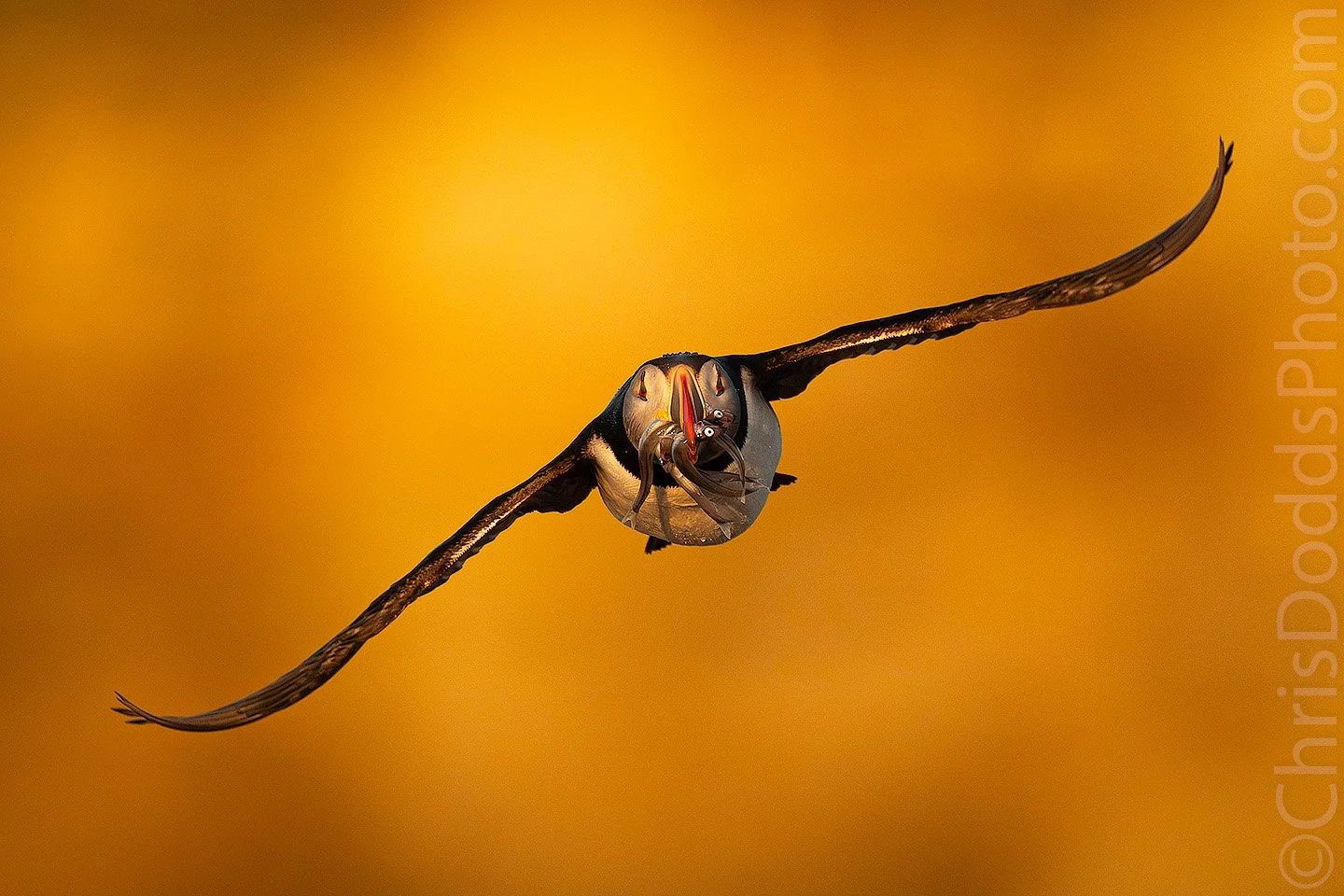
Atlantic Puffin flying directly towards the camera with fish in its beak against golden cliffs emerging through morning fog on Île aux Perroquets, Quebec.

Atlantic Puffin Flying With Fish in Golden Morning Light— Île aux Perroquets, Québec (Fratercula arctica, Macareux moine, Frailecillo atlántico, ATPU) from my Deluxe Puffins Galore Workshop, Mingan Archipelago National Park Reserve, Quebec, Canada. Image Copyright ©Christopher Dodds. 600mm lens and 2X teleconverter @1,200mm. ISO 10,000, f/8 @ 1/5,000s, manual exposure. Full-frame image.

From Landscape Photography to Puffins in Flight

Christopher Dodds September 10, 2026

Sometimes everything lines up.

The first golden light was burning through the morning fog and illuminating the cliffs behind this Atlantic Puffin as it flew directly towards me with a beak full of fish.

At 1,200mm, the bird and its outstretched wings filled the frame. That is part of the thrill of photographing fast birds in flight so tightly: the subject gets larger with every split second, and there is almost no room for error.

For a brief moment, the puffin, fish, fog, golden cliffs and light all came together.

Camera settings: 600mm lens with 2× teleconverter at 1,200mm, 1/5,000 second, f/8, ISO 10,000.

The photograph above is mine, but today’s story belongs to Joanne Johnson—a landscape photographer who arrived at my Deluxe Atlantic Puffins Workshop wondering whether she could photograph these extraordinarily fast little birds in flight.

Landscaper Attempts Birding

“I prefer to shoot mostly landscape photos. It's what I enjoy but more importantly, the scenery doesn't move! That means there's lots of time to figure out composition, lighting and focusing. Then I attended Chris's Atlantic Puffin Workshop. Boy, was I out of my depth!

The first day my photos were either empty of flying subjects or out of focus. Chris encouraged me to try a number of things: Instead of using the display screen to compose (my standard landscaper's option), he suggested using the viewfinder. That took some getting used to for these old eyes. He pointed me towards reviewing my manual for specific auto-focus settings (Canon's ‘Whole Area Tracking Servo AF’ and ‘Subject to Detect’). We talked a lot about how to track flying birds and the importance of practice.

After incorporating these changes, I was capturing puffins focused and completely in the frame more often than not. One of his last suggestions, but one with the most impact, was to customize a button to switch back and forth between the display screen and the viewfinder. So simple but an enormous help when switching from shooting to reviewing. And all these suggestions were for a camera system that was not what Chris currently shoots. He sure knows his stuff!

I also loved the picturesque, small island abundant with colorful wildflowers. At first glance, it appears there's not much to photograph other than birds but if you slow down, breathe and explore, I found there was a lot of beauty to discover & capture. The lighthouse was absolutely breathtaking in the early morning fog! I came home with wonderful landscape photos that recorded my time there in addition to some amazing puffin shots (FISH). The lightkeeper's house was rustic and charming, the food was amazing (best breakfast sandwich EVER) and the staff wonderful and kind. Chris was also very engaging and entertaining at the meal table so lots of laughter.

I highly recommend Chris's workshop to anyone of any skill level as he tailors his help according to each person's skill level and equipment. I did not have the best long lens (100–400mm), nowhere near the size of my fellow participants, but I came home with some amazing photos that I am very pleased with. This workshop was definitely out of my comfort zone and I'm so glad I went. Thanks, Chris, for a great few days.”

— Joanne Johnson | Deluxe Atlantic Puffins Photography Workshop Aug. 2026

Joanne’s photograph says the rest.
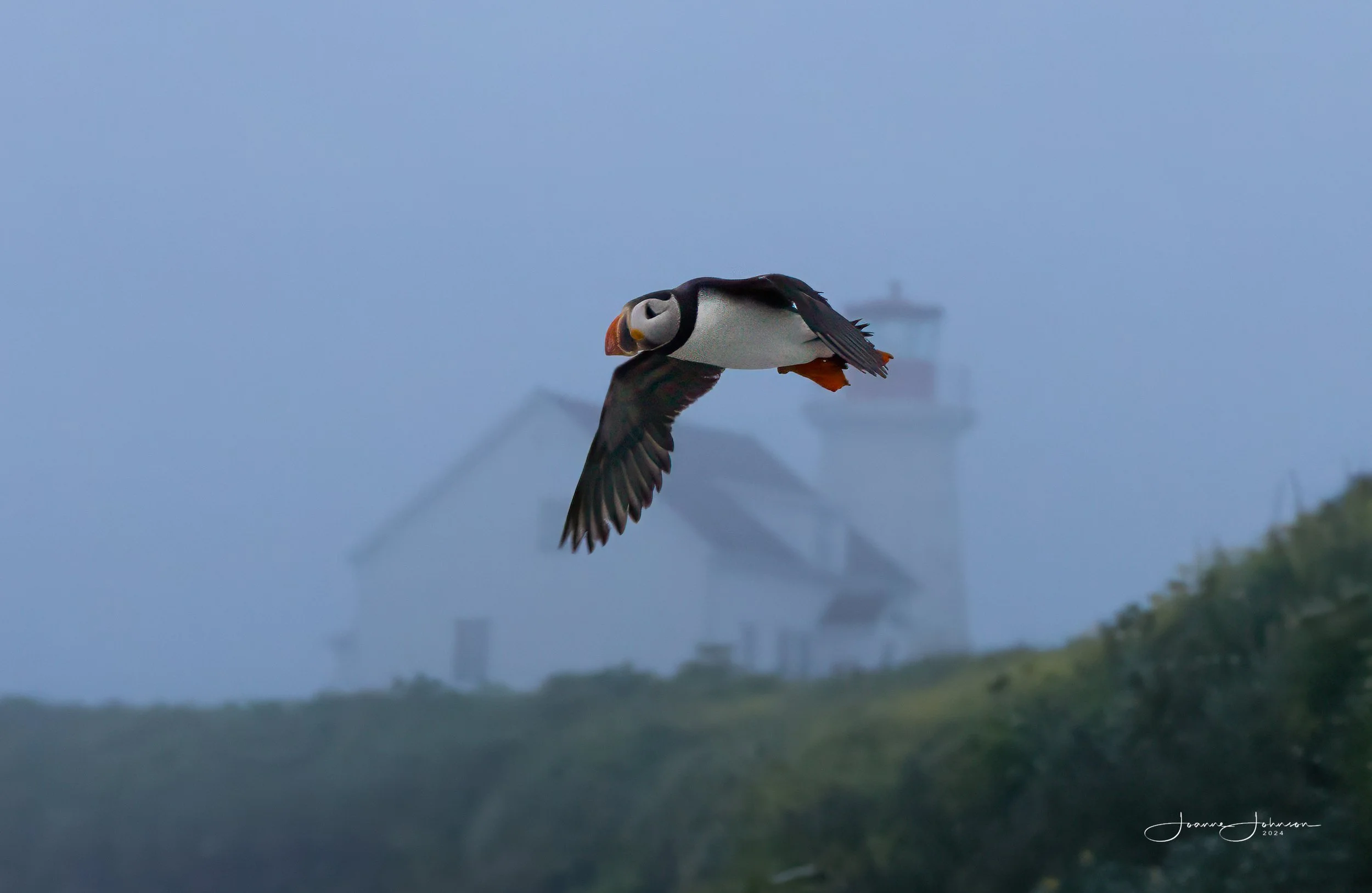
Atlantic Puffin flying with fish near the lighthouse on Île aux Perroquets, photographed by workshop participant Joanne Johnson using a 100–400mm lens.

Atlantic Puffin flying in front of the lighthouse on Île aux Perroquets on a foggy morning. Photograph © Joanne Johnson, created during the Deluxe Atlantic Puffins Photography Workshop.

She arrived most comfortable photographing landscapes—subjects that gave her time to think about composition, light and focus. By the end of the workshop, she was successfully tracking Atlantic Puffins in flight and keeping them sharp and inside the frame.

She did it with her Canon camera and a 100–400mm lens.

Helping photographers understand the fundamentals, get the most from their own equipment, recognize developing behaviour and build the skills to make photographs they are proud of is exactly why I lead these workshops.

Photograph Atlantic Puffins in Quebec

My small-group Deluxe Atlantic Puffins Photography Workshop takes place on Île aux Perroquets in Quebec’s Mingan Archipelago. We stay beside the colony and photograph in changing light and weather while working together in the field on exposure, autofocus, flight tracking, composition and anticipating behaviour.

You do not need the biggest lens or years of bird-photography experience. Bring the equipment you own, a willingness to learn and plenty of memory cards.
Learn more about the Deluxe Atlantic Puffins Photography Workshop.
In Bird Photography, Testimonial Tags Christopher Dodds, Joanne Johnson, Testimonial, Workshop Review, Atlantic Puffin Photography, Puffins in Flight, Puffin Photography Workshop, Bird Photography Workshop, Wildlife Photography Workshop, Birds in Flight Photography, Photography Instruction, 100–400mm Lens, Île aux Perroquets, Mingan Archipelago, Quebec, Canada
Comment
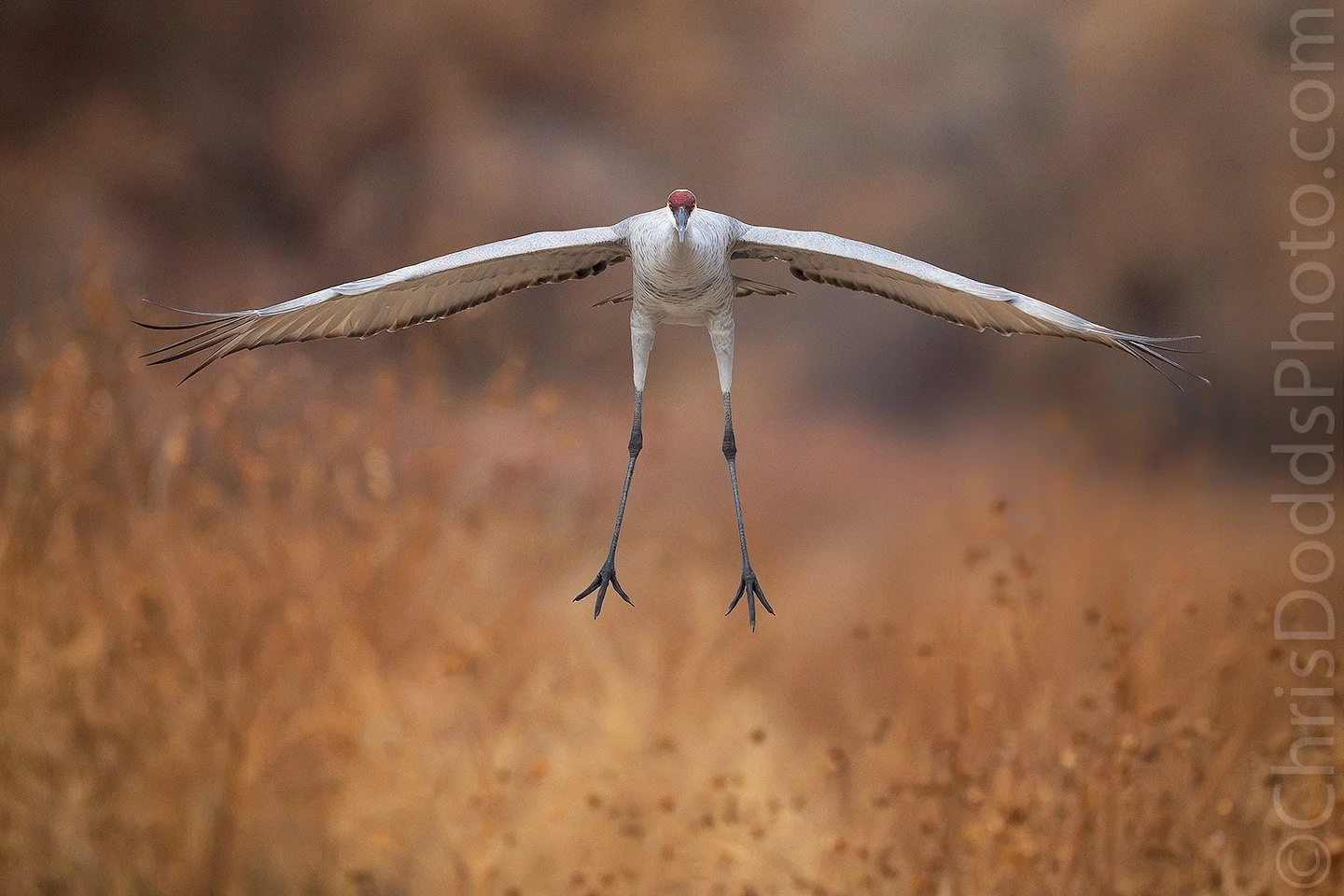
Sandhill Crane flying head-on with wings spread and legs lowered to land against a soft, warm New Mexico landscape during Christopher Dodds' Better Than Bosque bird photography workshop.

Sandhill Crane Landing Head-On in New Mexico (Antigone canadensis, Grue du Canada, Grulla canadiense, SACR) from my Better than Bosque workshop. Bernardo Wildlife Area, Bernardo, New Mexico, USA. Image Copyright ©Christopher Dodds. Sony Alpha 1 Mirrorless camera & Sony FE 600mm f/4 G Master OSS Lens with Sony FE 2X Teleconverter @ 1,200mm, ISO 8,000, f/8 @ 1/5,000s, manual exposure. Full-frame image.

Sandhill Crane Photography in New Mexico | Better Than Bosque

Christopher Dodds September 2, 2026

A Sandhill Crane drops its legs for landing during my Better Than Bosque photography workshop in New Mexico. Look beyond the obvious photograph—and one cancellation spot has just opened for December 5–9, 2026.

Read More
In Bird Photography Tags Sandhill Crane, Sandhill Crane Photography, New Mexico Bird Photography, Bosque del Apache, Better Than Bosque, Bird Photography Workshop, Wildlife Photography Workshop, New Mexico Photography Workshop, Crane Photography, Birds in Flight, Bird Photography, Christopher Dodds
Comment
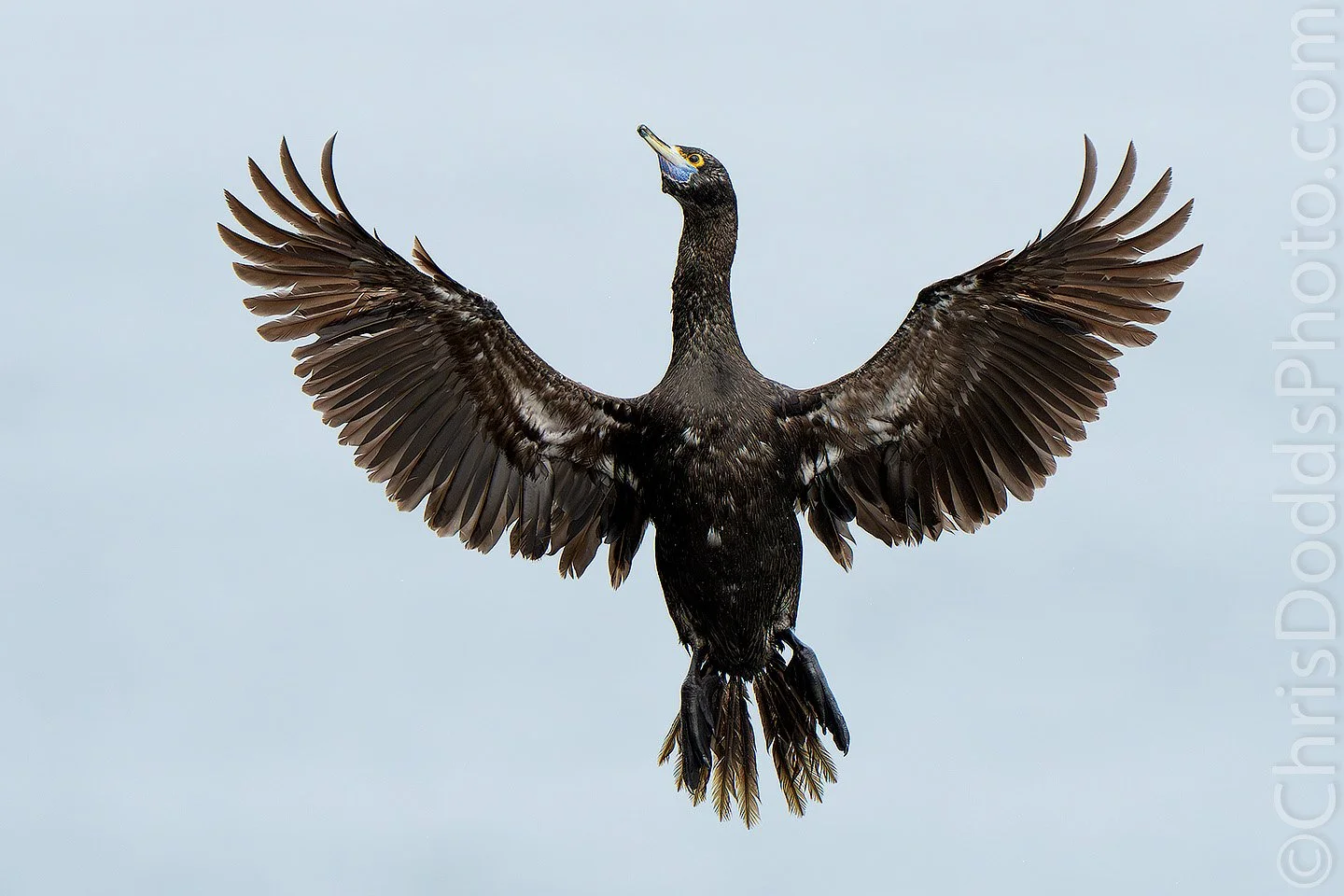
Red-faced Cormorant spreading its wings in flight on Saint Paul Island in Alaska's Pribilof Islands, photographed by Christopher Dodds.

Red-faced Cormorant — Saint Paul Island, Alaska (Phalacrocorax urile, Cormoran à face rouge, Cormorán carirrojo, RFCO) from my Saint Paul Island, Alaska Workshop. Image Copyright ©Christopher Dodds. Sony Alpha 1 Mirrorless camera & Sony FE 200-600mm f/5.6-6.3 G OSS Lens @ 600 mm. ISO 2,500, f/6.3 @ 1/5,000s, manual exposure. Full-frame image.

At the Edge of the Bering Sea: Photographing the Red-faced Cormorant on Saint Paul Island

Christopher Dodds September 1, 2026

The Red-faced Cormorant isn't a bird most North American photographers get many opportunities to photograph. Saint Paul Island in Alaska's remote Pribilof Islands is one of the best places to change that.

Read More
In Bird Photography, Workshop Report Tags Red-faced Cormorant, Red-faced Cormorant Photography, Saint Paul Island, Saint Paul Island Alaska, Pribilof Islands, Alaska Bird Photography, Alaska Bird Photography Workshop, Bird Photography Workshop, Bering Sea, Alaska Seabirds, Seabird Photography, Tufted Puffin, Horned Puffin, Crested Auklet, Wildlife Photography, Christopher Dodds
Comment
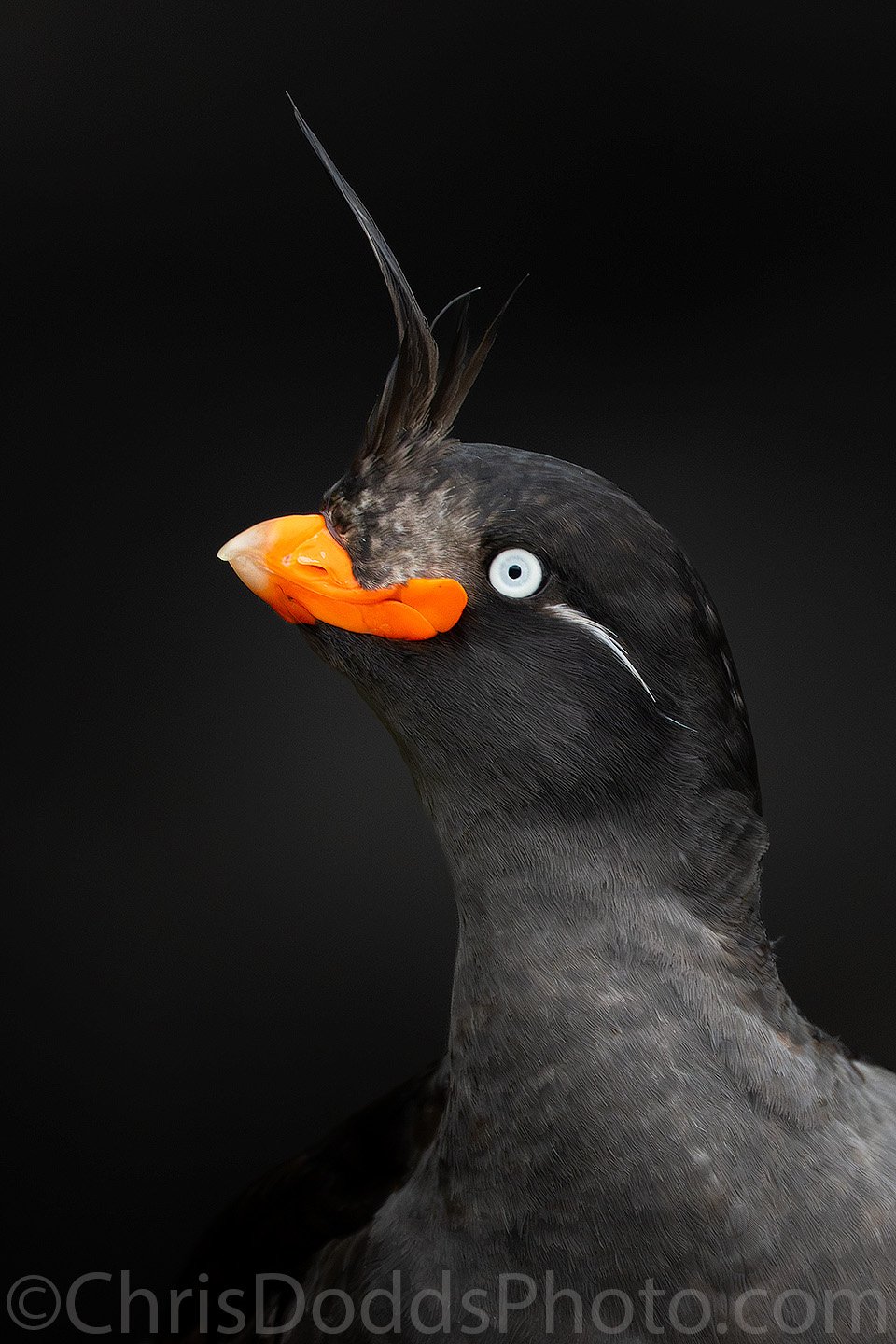
Crested Auklet portrait showing its pale eye, orange bill and distinctive crest against dark rocks on Saint Paul Island in Alaska's Pribilof Islands.

Crested Auklet Portrait — Saint Paul Island, Alaska (Aethia cristatella, Starique cristatelle, Mérgulo empenachado, CRAU) from my Saint Paul Island, Alaska Workshop. Image Copyright ©Christopher Dodds. Sony a1 Mirrorless camera & Sony FE 600mm f/4 G Master OSS Lens and Sony 2X Teleconverter @ 1,200 mm. ISO 16,000, f/8 @ 1/5,000s, manual exposure. Full-frame image.

An Hour With a Crested Auklet on Saint Paul Island: Making a Bird Portrait

Christopher Dodds August 27, 2026

Sometimes wildlife photography happens in seconds. Sometimes nature gives you an hour. During my Saint Paul Island photography workshop, we spent nearly an hour with this remarkable Crested Auklet—time to look, see, learn and work toward a better bird portrait.

Read More
In Wildlife Photography, Bird Photography Tags Crested Auklet, Crested Auklet Photography, Saint Paul Island, Saint Paul Island Alaska, Pribilof Islands, Alaska Bird Photography, Alaska Wildlife Photography, Bird Photography, Bird Portrait, Seabird Photography, Wildlife Photography, Bird Photography Workshop, Alaska Photography Workshop
Comment

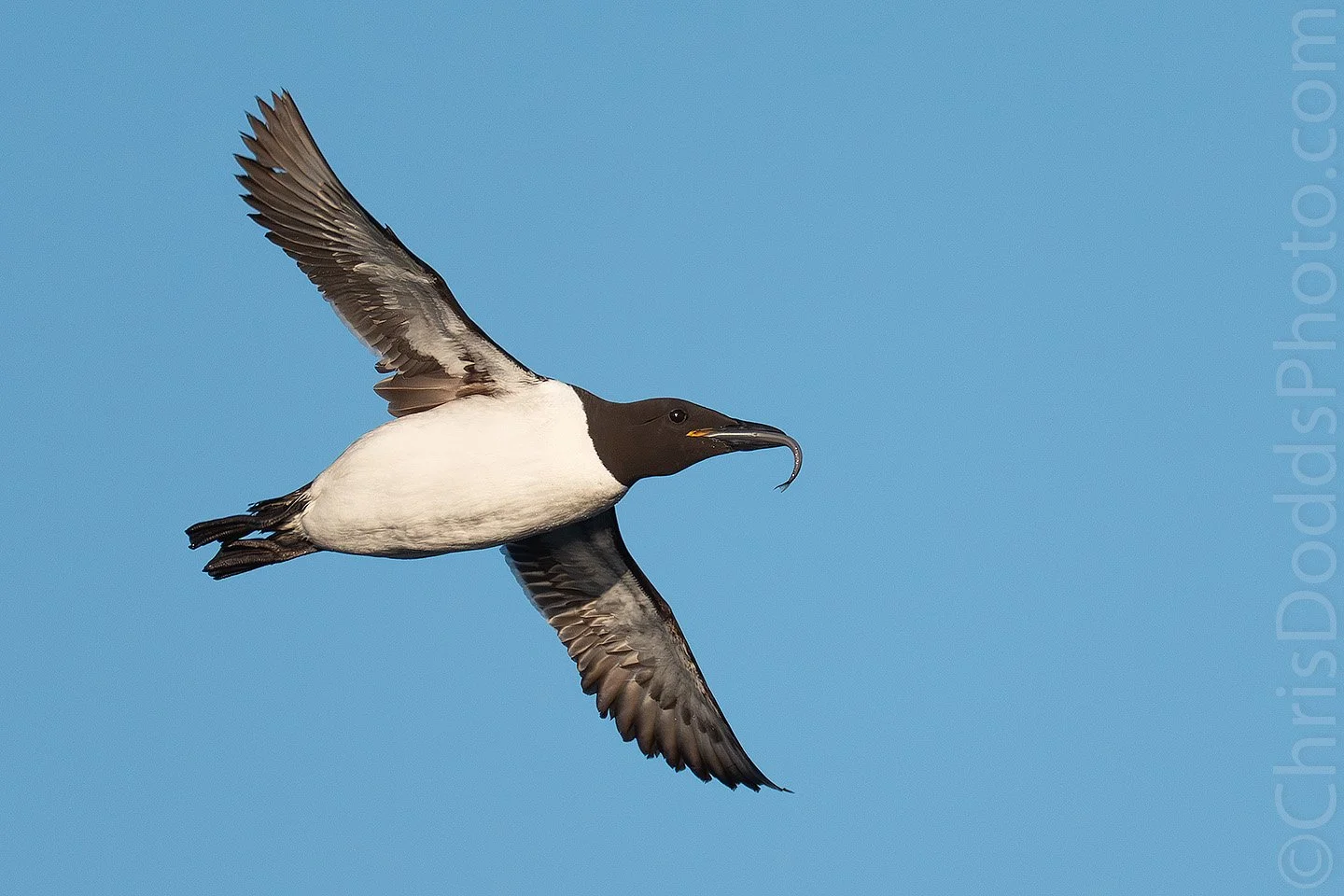
Razorbill Flying Over the Gulf of St. Lawrence (Uria aalge, Guillemot marmette, Arao común, COMU) from my Deluxe Puffins Galore Workshop, Mingan Archipelago National Park Reserve, Quebec, Canada. Image Copyright ©Christopher Dodds. Sony a9 Mark III Mirrorless camera & Sony FE 600mm f/4 G Master OSS Lens and Sony 2X teleconverter @ 1,200mm. ISO 1,600, f/8 @ 1/5,000s, manual exposure. Full-frame image.

Common Murre With a Fish — Making the Most of Harsh Light

Christopher Dodds August 26, 2026

What do you do when the light gets harsh during a bird photography workshop? Keep photographing. This Common Murre carrying a fish on Île aux Perroquets is a reminder to practise tracking, study bird behaviour and always be ready for the extraordinary.

Read More
In Bird Photography, Workshop Report Tags Common Murre, Common Murre Photography, Common Murre With Fish, Common Murre Feeding Behaviour, Seabird Photography, Bird Photography, Birds in Flight Photography, Wildlife Photography, Atlantic Puffin Photography, Atlantic Puffins Galore, Île aux Perroquets, Mingan Archipelago, Quebec Bird Photography, Quebec Wildlife Photography, Bird Photography Workshop, Wildlife Photography Workshop, Christopher Dodds
Comment
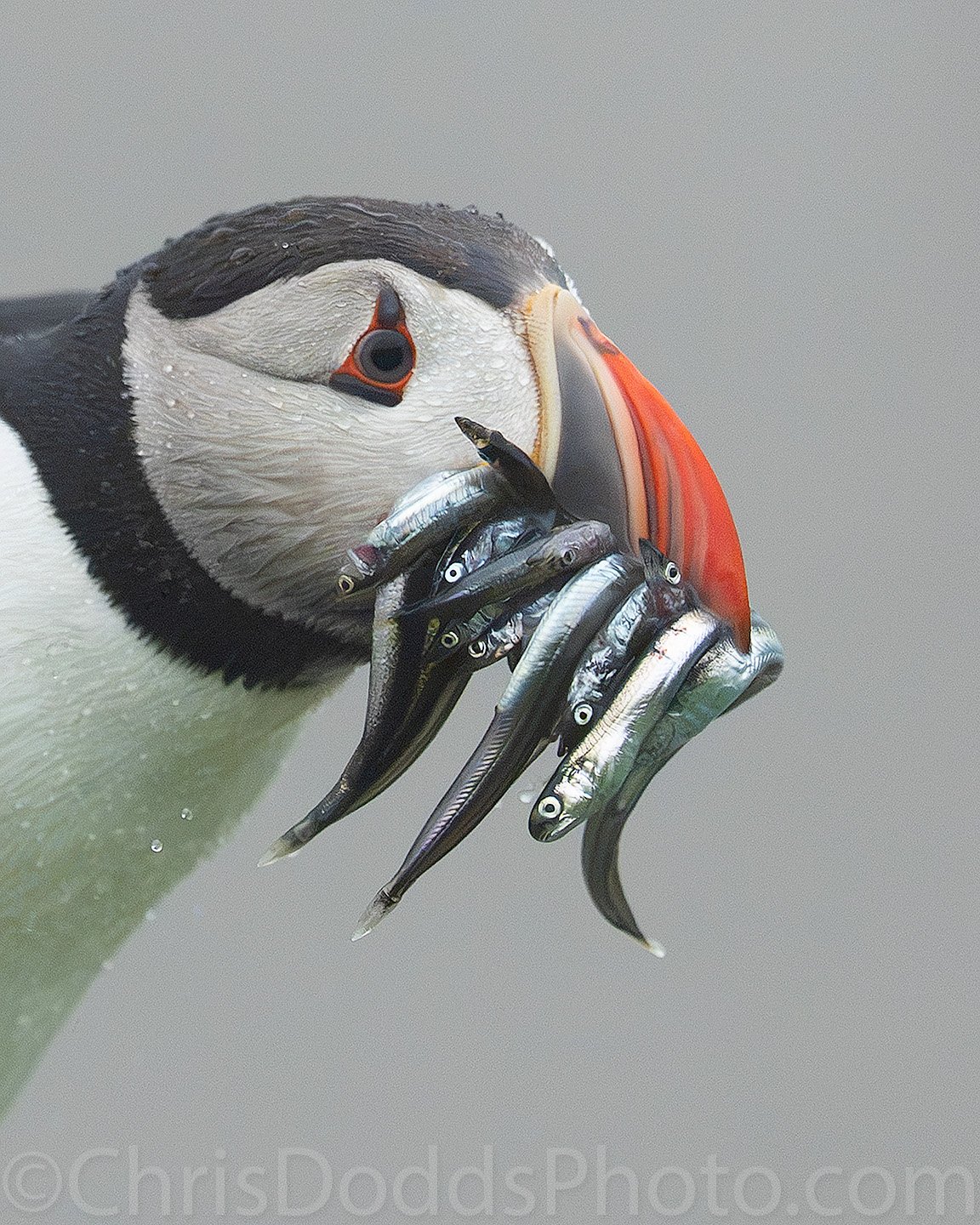
Atlantic Puffin flying with a bill full of fish photographed at close range in fog on Île aux Perroquets, Quebec, by Christopher Dodds.

Atlantic Puffin with bill full of fish at 20,000 ISO — Île aux Perroquets, Québec (Fratercula arctica, Macareux moine, Frailecillo atlántico, ATPU) from my Deluxe Puffins Galore Workshop, Mingan Archipelago National Park Reserve, Quebec, Canada. Image Copyright ©Christopher Dodds. Sony a9 Mark III Mirrorless camera & Sony FE 600mm f/4 G Master OSS Lens @ 600 mm. ISO 20,000, f/4 @ 1/5,000s, manual exposure. Full-frame image top to bottom; cropped left and right to 4 x 5 aspect ratio.

Atlantic Puffin at ISO 20,000: Full Frame in the Fog

Christopher Dodds August 18, 2026

A foggy morning on Île aux Perroquets produced an unforgettable close encounter with an Atlantic Puffin carrying a bill full of fish. Photographed full frame at 600mm, 1/5,000 second and ISO 20,000, it's also a perfect example of why I don't fear high ISO when photographing birds in flight.

Read More
In Bird Photography, Workshop Report Tags Atlantic Puffin, Puffin Photography, Bird Photography, Birds in Flight, Wildlife Photography, High ISO Photography, ISO 20000, Sony a9 III, Sony 600mm f4 GM, Île aux Perroquets, Mingan Archipelago, Quebec Wildlife Photography, Puffin Photography Workshop, Christopher Dodds, Bird Photography Workshop
14 Comments
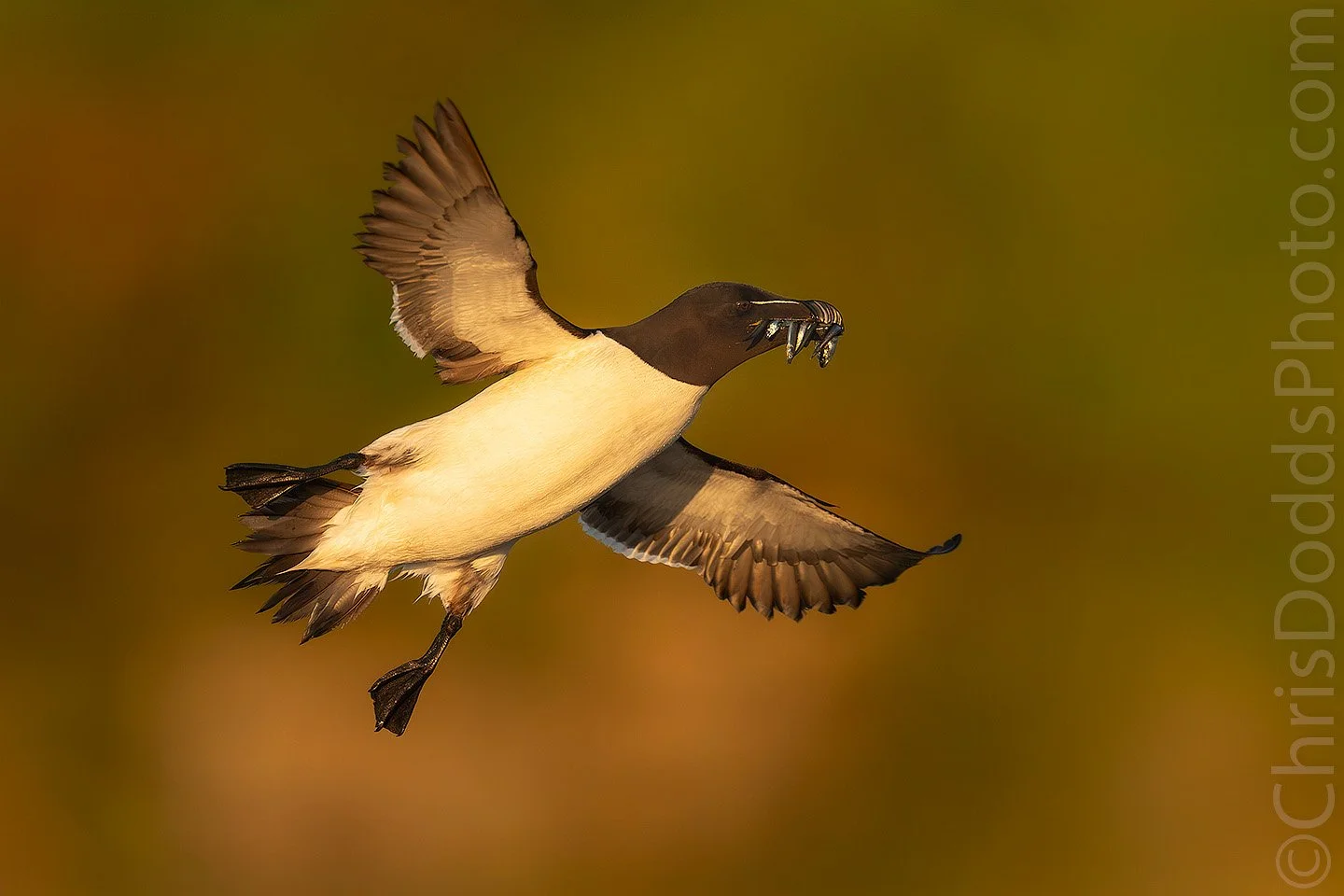
Razorbill flying with a mouthful of fish for its chick during Christopher Dodds' Atlantic Puffin Photography Workshop on Île aux Perroquets, Quebec.

Razorbill Bringing Home Dinner (Alca torda, Petit pingouin, Alca común, RAZO) from my Deluxe Puffins Galore Workshop, Mingan Archipelago National Park Reserve, Quebec, Canada. Image Copyright ©Christopher Dodds. Sony a9 Mark III Mirrorless camera & Sony FE 600mm f/4 G Master OSS Lens with Sony 2X Teleconverter @1,200mm. ISO 2,500, f/8 @ 1/5,000s, manual exposure. Full-frame image.

Razorbill Bringing Home Dinner | Atlantic Puffin Photography Workshop

Christopher Dodds August 17, 2026

A Razorbill races home with a beak packed with fish for its hungry chick on Île aux Perroquets, Quebec. I photographed this fleeting moment at 1200mm during my Deluxe Atlantic Puffins Galore Photography Workshop — composed in-camera, full frame and completely uncropped.

Read More
In Bird Photography, Workshop Report Tags Razorbill, Razorbill Photography, Atlantic Puffin, Atlantic Puffin Photography, Puffin Photography, Puffin Photography Workshop, Atlantic Puffin Photography Workshop, Atlantic Puffins Galore, Bird Photography, Bird Photography Workshop, Birds in Flight, Bird in Flight Photography, Seabird Photography, Wildlife Photography, Wildlife Photography Workshop, Île aux Perroquets, Mingan Archipelago, Quebec Bird Photography, Quebec Wildlife Photography, Sony α9 III, Sony 600mm F4 GM, Sony 2X Teleconverter, Christopher Dodds
Comment
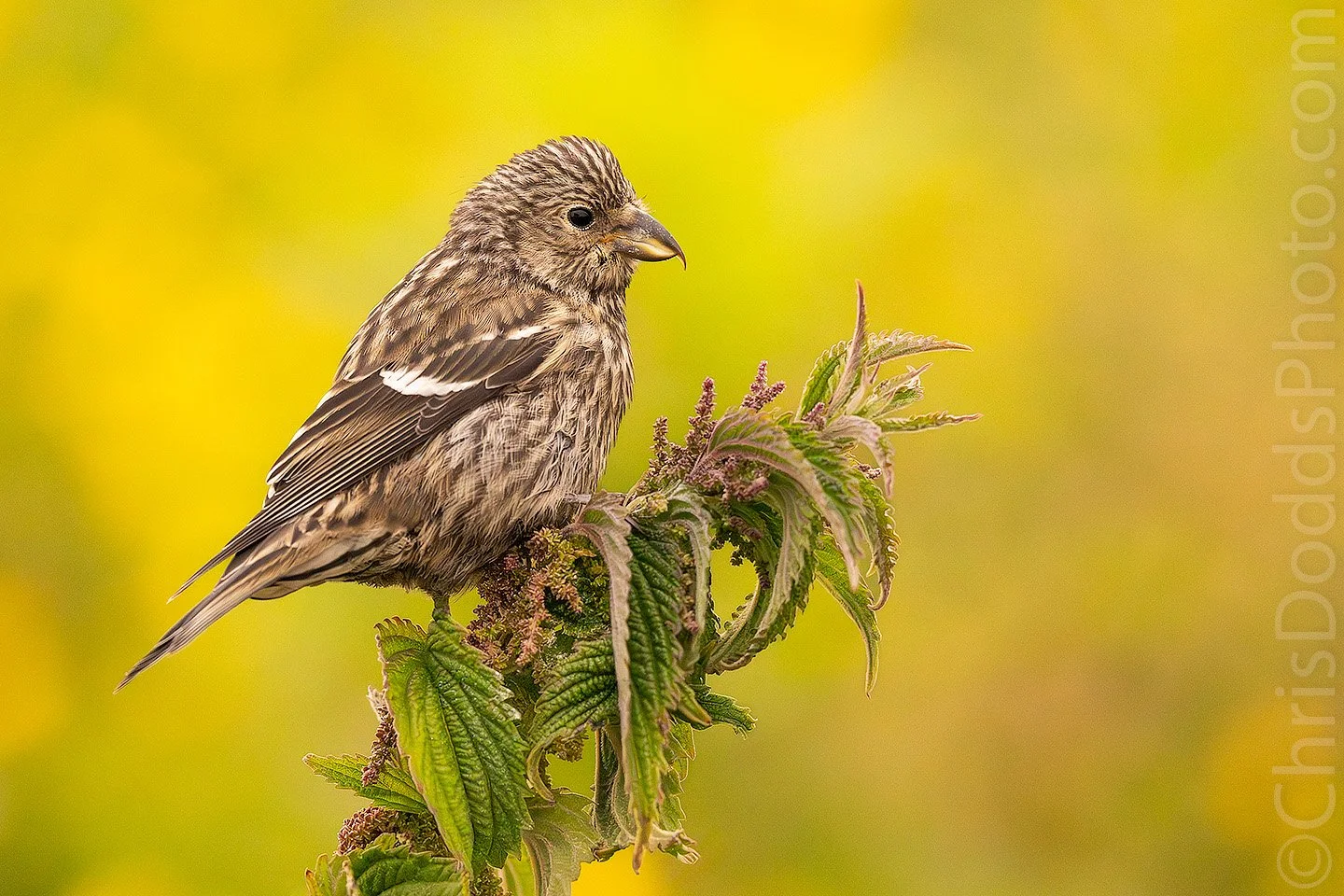
Juvenile White-winged Crossbill perched on a stinging nettle plant against a soft yellow-green background. The bird's distinctive crossed bill and white wing bars are visible as it feeds among the seed heads in natural habitat.

Juvenile White-winged Crossbill on Stinging Nettle (Loxia leucoptera, Bec-croisé bifascié, Piquituerto aliblanco, WWCR) from my Deluxe Puffins Galore Workshop, Mingan Archipelago National Park Reserve, Quebec, Canada. Image Copyright ©Christopher Dodds. Sony a9 III Mirrorless camera & Sony FE 400-800mm f/6.3-8 G OSS Lens @705mm ISO 40,000, f/8 @ 1/2,500s. Manual exposure. Full frame image.

Juvenile White-winged Crossbill on L’île aux Perroquets During the Deluxe Atlantic Puffin Workshop

Christopher Dodds June 6, 2026

A Juvenile White-winged Crossbill continued to surprise participants on my Deluxe Atlantic Puffin Workshop by remaining on L’île aux Perroquets for a second day. Far from its typical boreal forest habitat, this nomadic finch provided rare photography opportunities on a small treeless island off Quebec's North Shore.

Read More
In Bird Photography, Workshop Report, Bird Photography Workshop Tags White-winged Crossbill, Crossbill, White-winged Crossbill Photography, Bird Photography, Bird Photography Workshop, Deluxe Atlantic Puffin Workshop, Atlantic Puffins, L'île aux Perroquets, Quebec North Shore, Quebec Birding, Wildlife Photography, Sony a1 II, Sony 400-800mm, Nature Photography, Canadian Birds, Songbirds, Nomadic Finches, Chris Dodds, Chris Dodds Photography, Juvenile White-winged Crossbill
Comment
Prothonotary Warbler gleaning insects from wet bark during spring migration at Point Pelee National Park, Ontario, reflected in still water with dramatic light and shadow.

Prothonotary warbler Reflection (Protonotaria citrea, Pauline orangée, Protonotaria citrea, PROW). From my Songbirds of Pelee Workshop on May 8, 2025, at Point Pelee National Park of Canada. Image Copyright ©Christopher Dodds. Sony a9 III Mirrorless camera & Sony FE 400-800mm f/6.3-8 G OSS Lens @800mm ISO 10,000, f/8 @ 1/5,000s. Manual exposure.

A Second Migration Gift — Prothonotary Warbler Reflections at Point Pelee

Christopher Dodds February 8, 2026

Spring migration at Point Pelee National Park is already legendary for small songbirds arriving low and slow after crossing Lake Erie. In my recent post about photographing an American Redstart during spring migration, I touched on the magic of warbler fallout and how understanding bird behaviour can completely transform your photography.

But there was another moment — one that pulled me into the shadows and reminded me why I chase light as much as birds.

This Prothonotary Warbler wasn’t perched out in the open, nor was it offering a classic pose against fresh spring greens. Instead, it moved quietly along the edge of a dark, still pool, gleaning insects from wet bark, its golden head briefly mirrored in the water below. The surrounding bark—layered with texture and shadow—formed a natural frame, and the stillness of the moment became its own kind of light.

Photographing it was less about reacting and more about waiting, watching, and blending. The bird wasn’t high, wasn’t bold — but it was present. And when I found the light as it dipped into the pool, the reflection emerged like a second subject: a mirror image capturing both behaviour and environment in a single frame.

Moments like this are exactly why spring migration at Pelee is so special. It’s not only the abundance of species — the Redstarts, Blackburnians, Bay-breasteds — but the quality of opportunity that comes when birds aren’t fleeing but settling. They arrive tired, intentional, and yes, sometimes reflective — literally and metaphorically.

You can read the full story of this encounter, and see how light and shadow played a role in making this image come alive, in my earlier post:

👉 Light and Shadow — Capturing a Prothonotary Warbler’s Reflection
https://www.naturephotographyblog.com/blog/light-and-shadow-capturing-a-prothonotary-warblers-reflection

Why this matters for your photography

This kind of moment isn’t random. It’s the result of:

  • Being in the right place at the right time – Point Pelee during peak spring migration

  • Reading bird behaviour – noticing when songbirds are low and deliberate

  • Understanding light and environment – letting shadows and reflections work for you

  • Mastering in-camera exposure – catching subtle tones without over or underexposing

When you align those elements, you find pictures you didn’t even know you were looking for.

Few spots left — join me at Point Pelee

If these kinds of experiences speak to you — American Redstarts moving low after crossing Lake Erie, Prothonotary reflections in shadowed pools, and the subtle art of seeing before you shoot — there are still a handful of spots left in my Songbirds of Pelee Bird Photography Workshop, May 7–11.

We’ll explore:

  • Photographing warblers and other songbirds during spring migration

  • Ethical fieldcraft and how to read bird behaviour

  • Mastering in-camera exposure for fast-changing light

  • Working thoughtfully during warbler fallout days

📸 Limited spaces remain.
👉 Learn more and book here:
https://www.chrisdoddsphoto.com/songbirds-of-pelee-photo-tour

Spring migration won’t wait — neither should your opportunity to photograph it.

Chris

In Bird Photography Workshop, Bird Photography Tags Prothonotary Warbler, Point Pelee, Spring Migration, Warbler Fallout, Bird Photography Workshop, Songbird Photography, Migration Bird Photography, Ontario Bird Photography, Wildlife Photography Workshop, Light and Shadow
Comment

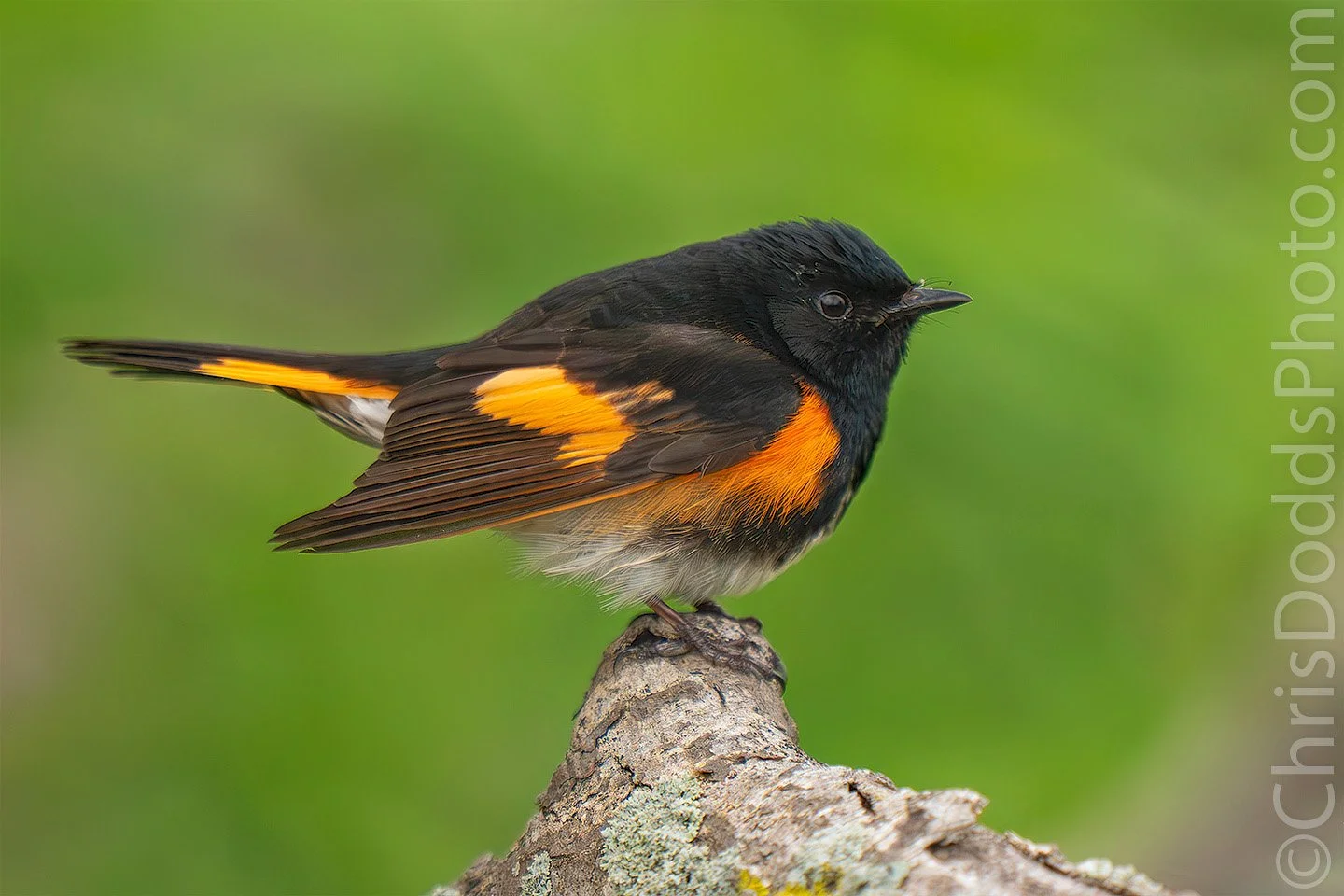
American Redstart During Spring Migration at Point Pelee (Setophaga ruticilla, Paruline flamboyante, Setophaga ruticilla, AMRE). Point Pelee National Park of Canada during my Songbirds of Pelee Workshop. Image Copyright ©Christopher Dodds all Rights Reserved. Sony a9 III Mirrorless camera & Sony FE 400-800mm f/6.3-8 G OSS Lens @790mm ISO 10,000, f/8 @ 1/5,000s. Manual exposure. Full frame image.

Photographing an American Redstart at Point Pelee During Spring Migration

Christopher Dodds January 25, 2026

Why warbler fallout makes this Canada’s best bird photography workshop location

Every spring, Point Pelee National Park becomes one of the most important bird migration stopovers in North America—and for bird photographers, it’s nothing short of magical. During my Point Pelee Spring Migration Workshop, I had the opportunity to photograph this stunning American Redstart at close range, in beautiful light, during peak migration conditions.

American Redstarts are typically fast, restless warblers—constantly flicking, darting, and disappearing into dense foliage. But spring migration changes everything.

Why spring migration is the best time to photograph American Redstarts

By the time American Redstarts reach Point Pelee, many have just completed a demanding overnight crossing of Lake Erie. This is a major physiological effort for a bird weighing only a few grams. When weather systems align—southerly winds, overnight rain, or sudden temperature drops—birds arrive low, slow, and visibly exhausted.

For bird photographers, this creates rare opportunities. Instead of racing through the canopy, American Redstarts often perch at eye level, forage methodically, and pause just long enough for carefully composed images. These conditions are exactly why spring migration at Point Pelee is so productive for photography.

Gear and approach in the field

This image was made using the Sony a9 Mark III, paired with the Sony FE 400-800mm f/6.3-8 G OSS Lens @790mm—a really portable setup that allows me to keep a respectful distance while still filling the frame with fine detail. During migration, patience and restraint matter more than speed. When birds are tired, ethical fieldcraft means letting them settle, feed, and recover while you work quietly and deliberately.

American Redstart migration facts

American Redstarts are long-distance migrants, wintering in the Caribbean, Central America, and northern South America. Each spring, they travel thousands of kilometres to reach breeding territories across Canada and the northern United States. Point Pelee, as the southernmost point of mainland Canada, acts as a critical first landfall—making it one of the best places anywhere to observe and photograph them during spring migration.

When warbler fallout happens at Point Pelee

On the right mornings, Point Pelee delivers what birders and photographers dream about: warbler fallout. Dozens of species—American Redstarts, Blackburnians, Magnolias, Bay-breasted Warblers, and more—can be found feeding low, resting in open cover, and allowing intimate views that are rarely possible elsewhere.

When fallout occurs, the park feels alive. Every trail holds possibility. It’s not about chasing birds—it’s about slowing down, reading behavior, and letting moments unfold naturally.

Join my Point Pelee Bird Photography Workshop

If photographing American Redstarts, experiencing warbler fallout, and immersing yourself in spring migration at Point Pelee sounds appealing, I invite you to join me for my Songbirds of Pelee Bird Photography Workshop, running May 7–11.

📸 Limited spots available.
👉 Join me at Point Pelee this May and experience one of the finest bird photography workshops in North America—right in the heart of spring migration.

👉 Join me at Point Pelee this May
In Bird Photography, Bird Photography Workshop Tags American Redstart, Point Pelee, Spring Migration, Warbler Fallout, Bird Photography Workshop, Songbird Photography, Migration Bird Photography, Ontario Bird Photography, Wildlife Photography Workshop, Sony a1 Mark II
Comment
No results found

Subscribe

Sign up with your email address to receive news and updates.

We respect your privacy.

Thank you!

All content (including text, design, photos, layout, and graphics) are copyright ©Christopher Dodds www.ChrisDoddsPhoto.com